

_edited.png)
How I Spent Four Days in Oaxaca: A Journey Through Ancient History and Indigenous Flavors

Roasting peppers over open fires, bubbling chocolate in ceramic bowls, and blue maize hanging above doorways. These are sights and scents that make you feel like Oaxaca is one of a kind in the world. Throughout the centuries, this region has fought to keep its indigenous Zapotec traditions alive, transforming this colonial city into a destination rich in stories, culinary traditions, and artisan practices that go further back than the arrival of the Spanish.
For 10 days, I explored Oaxaca to understand its culinary history and cultural traditions that have made it world-famous. Beyond drowning myself in delicious food—from high-end fusion restaurants to corner taco stands—I hiked through ancient Zapotec ruins and took part in cultural events that remind me of the beauty of our world’s diversity. And on a personal note, I booked a wedding venue in the heart of town. It’s a post-revolutionary-war, colonial-inspired home, complete with a central courtyard and well that make me feel like I’ll be getting married in a movie. Yes, I am excited.
If you want to experience Zapotec culture and Mexican heritage beyond beach resorts and big cities, here is the ultimate 4-day guide to Oaxaca.

Day 1: Centro Historico and Mercado Explorations
Morning:
The best way to begin a morning in Oaxaca is at the Mercado 20 de Noviembre. Vendors will hustle you to pick their stall for breakfast, colorful decorations hang from the ceilings, and locals rush through on their way to buy fruit or meat for the day. Find your favorite restaurant (which is more like a food stall with a few benches), take a seat, and experience a traditional Oaxacan morning. Indulge in a mole-based dish, such as tamales con mole or enchiladas, or experience tlayudas, a ‘pizza-like’ Oaxacan dish topped with meats and beans.

From the market, walk towards the Zocaló, or main square, the center of Oaxacan life. Sit on a bench and people-watch, then get up close to see the intricate details of the church's architecture. Follow the main street along to the Andador Turistico, where you will see colonial façades, art galleries, and artisan shops.
For the rest of the morning, walk around the center and experience the Santo Domingo de Guzmán church and the Cathedral. Shop for nahuals (Oaxacan equivalent of alebrijes or spirit guides), ceramics, and textiles, and try tejate (an indigenous drink made from corn and chocolate), hot chocolate, and nieves.

For lunch, Oaxaca offers a wide range of options, from high-end to casual dining. Taste the delicious moles at Casa Oaxaca or Tierra del Sol, or opt for a more budget-friendly option, such as La Popular or Casa Teviche.
By afternoon, wander around the center or become the next victim of Oaxaca’s most famed traditions: mezcal. This smoky spirit distilled from the agave plant has been an emblem of the region for centuries. Visit the Mezcal Tasting Room by Gül-Roo or La Casa De Mezcal.
Note: Foodies cannot miss the culinary experiences at Casa Oaxaca, Llevadura de Olla, Los Danzantes, Origen, Tierra Del Sol, and Criollo. From the care shown in describing ingredients to the pride each staff member holds towards the indigenous dishes, these restaurants will transform your understanding of what a ‘culinary experience’ should be. Dishes are highly curated and designed to reflect Zapotec dishes and Mexican heritage.

Day 2: Ancient History & Spirit Animals
On the second day, rise early to grab a quick coffee and baked goods at one of Oaxaca’s many coffee shops and trendy brunch locations. Cafe Brujula, Boulenc, Cafe Pabilo, and Sagrado Filemon were my favorite cafes with brunch options.
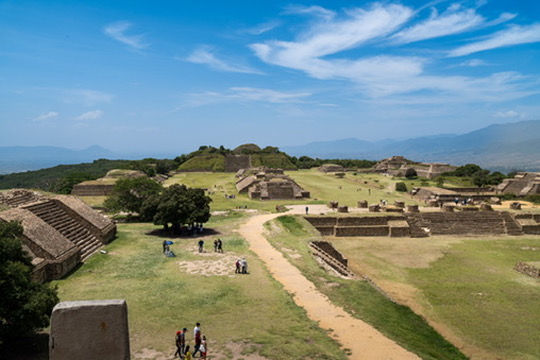
Head out early to Monte Alban by catching a Didi, Uber, or taxi, and explore the ancient ruins that overlook the city. The drive up to the archaeological site takes 20-30 minutes, and be sure to secure transport on the way down by getting the driver's contact information and organizing a pick-up time (cell service is scarce). If not, taxis wait at the top to drop off passengers, but they become scarce as the day progresses.
Spend about 2-3 hours walking through the ancient Zapotec city and witness the famous Danzantes and ball courts. This hill-top city was once one of the most important in the region, trading with Teotihuacan and inventing one of the earliest forms of writing in the Americas.
After returning to the city, have a large lunch to relax at Los Danzantes or El Mayordomo. Los Danzantes offers more than a unique indigenous culinary experience, it is located in an old, crumbling courtyard that will transport you into another world. Trust me, it’s worth it.
El Mayordomo is a Oaxacan staple chain restaurant famed for its chocolate. If you are craving a delicious meal that is also somewhat casual and easy, this is the place to go.
Afternoon
After a long day of hiking the ruins, you’ll be searching for activities to rest your feet. I recommend booking an alebrije/nahual painting class at Voces de Copal on the main street. Paint your own alebrije with the help of an instructor who guides you step by step.
Choose your Zapotec nahual (spirit animal) based on your birth month or your favorite Mexican animal. While the workshop was supposed to last 1 hour, we ended up spending over 2 hours chatting with the instructor about Oaxacan culture, Italian traditions, and the cultural differences between Mexico City and Oaxaca. It was one of my favorite afternoons of the whole trip.

If you are hungry enough for another big meal, consider visiting another popular restaurant listed above. While all of these restaurants are worth visiting, Llevadura de Olla is my all-time favorite. I recommend visiting after dark for the best experience in the inner courtyard, which is lit by candles and adorned with ceramics.
Day 3: Artisans and Gardens
This is the day to step outside of the center and experience life in the villages. Visit Teotitlan de Valle to step into weaving workshops and see the traditional craft first-hand. San Bartolo Coyotepec is home to the black pottery tradition, passed down through Zapotec families for generations. The best way to explore the villages is with a tour that takes care of all your transport to and from the city.
If you prefer to stay in the center, consider exploring the Jardin Ethnobotánico and the Museum of Cultures located near the Santo Domingo Church. Here, you can delve into Oaxaca’s history, from the first indigenous tribes in the area to the Spanish colonization.
After dinner, take a stroll through the city center and see it come to life as the sun goes down. Pro tip: If you are there on a weekend, be sure to enjoy the parades (calendas) that often take place on Friday and Saturday, typically for weddings or other festivities.

Oaxaca is also home to many rooftop bars, including Pitona (overlooking the Santo Domingo church), Mula, Los Amantes, and Expendio Tradición. As always, do your own additional research on places to eat and drink. It would take years to visit every single location.
Day 4: Nature and Drinks
If you want to experience a natural wonder, look no further. Drive out to Hierve de Agua, a natural petrified waterfall with cascading hot springs. If you enjoyed the mezcal tour, consider stopping by Santiago Matatlan on your return. Known as the capital of mezcal, here you can experience the step-by-step process of roasting agave and distilling mezcal.
Head back to the city for a final walk around and shopping time at the artisan markets. Enjoy your final meal at Criollo or Casa Oaxaca and stroll through the main square in the evening to experience the life of the city one last time. One of the best parts about Oaxaca is taking it slow. Whether you enjoy sitting on a park bench and people-watching, or sipping coffee and watching musicians and parades go by, don’t miss simply taking in the city itself and the people who call it home.

Oaxaca is a city of cultural traditions and experiences that will leave you feeling as though you have truly grasped the heart of Zapotec culture and its enduring legacy on modern Mexican life. From the rich taste of mole to the artisan workshops with ceramics and alebrijes, you’ll leave yearning for more.


Comments